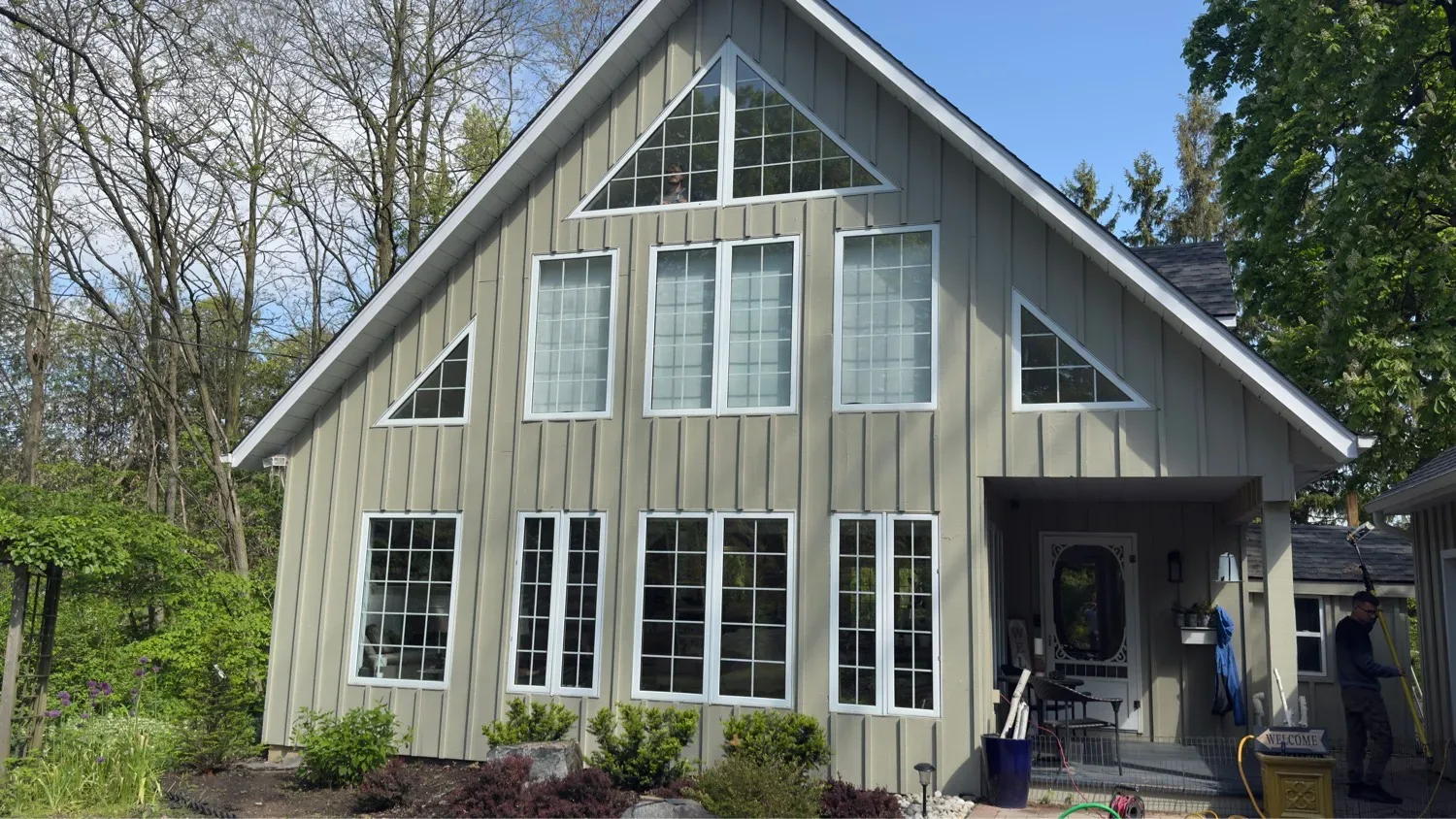
1–3: Control water and prepare a stable surface
- Resolve recurring wetting. Check leaks, splashback and failed drainage details before coating. Paint will not repair a water path behind the cladding.
- Repair the substrate. Replace or properly repair unsound material so the coating has something stable to adhere to. Assess older paint before using abrasive removal methods.
- Clean and dry appropriately. Remove contamination and failed coating by methods compatible with the surface, then meet the coating’s moisture requirements.
A neat topcoat cannot reveal whether these steps were completed. Photograph repairs and inspect prepared areas before they are covered, especially where the previous coating failed repeatedly.
4–5: Match the coating and joint details
- Choose a compatible system. Match primer and topcoat to the substrate, existing finish and exposure. A premium label does not establish compatibility, and not every surface requires the same primer.
- Maintain intended sealant joints. Renew failed beads where the assembly requires a seal, using compatible products and paint-ready timing. Leave weep holes, ventilation and drainage clearances open.
Record the actual product names and where each is used. The relevant distinction is whether the specified system fits the job, rather than whether every can contains more resin or costs more than an alternative.
6–7: Apply the specified film in suitable conditions
- Achieve the required coverage and film build. Follow the system’s number of coats, spread rate and recoat instructions. A coat stretched too thin is not equivalent to the intended protective film.
- Respect the weather window. Check surface and air temperature, humidity, rain and early curing conditions against the product data, including conditions after application.
Continue to inspect vulnerable elevations after completion. Sun-exposed and persistently damp locations can need different attention. Keep a maintenance record and repair local failures while they are identifiable rather than waiting for a promised whole-house repaint date.
Technical references
- Benjamin Moore: Exterior painting preparation — Stable, clean and suitably dry surfaces.
- Benjamin Moore: Coating specification and surface preparation — Compatible primer/topcoat specification and application requirements.
- Benjamin Moore: Exterior painting conditions — Conditions during application and early curing.
- Sika Canada: Construction sealant instructions — Joint preparation and coating compatibility.

Include a preferred date and time
Discuss your exterior project
Select the exterior work and note the current material and repair or replacement needs.
Prefer to send the details first? Request a quote or call (519) 501-5003.