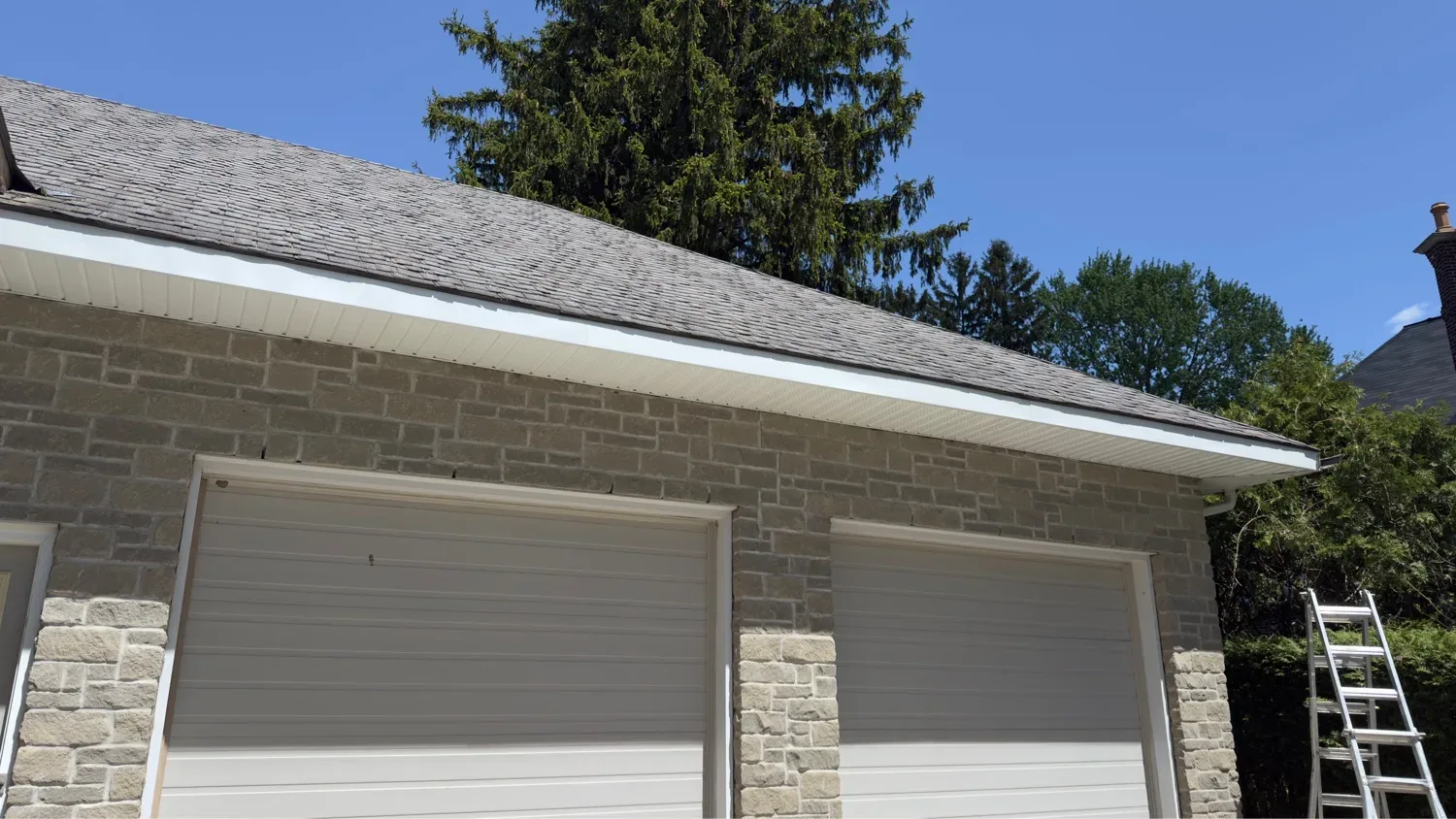
Inspect beyond the visible blemish
Look for soft areas, failed paint, opened joints and recurring stains at sills, corners and roofline details. Have the extent checked where damage may continue behind the board. Decorative trim and structural framing are different components; surface filler is not a structural repair specification.
Consider whether the remaining material can hold the proposed repair and fasteners. There is no universal rule that damage to thirty or forty percent of a board decides the answer. The location of the defect, support, moisture source and required function matter as well as its size.
Use localized repairs where the system supports them
A compatible exterior wood-repair system can rebuild limited damage in an appropriate trim component. Follow the maker’s requirements for removing deteriorated material, drying, consolidant or filler, curing and finishing. An epoxy patch should not be treated as proof that hidden rot or water entry is resolved.
Compare the effort to reproduce the existing profile with replacing a section or full board. Previous repairs, widespread damage or weak fastening areas can favour replacement, but multiple paint layers alone do not determine that a board must go. A clear quote should identify the boundaries of each repair.
Specify replacement material and water details
Match the profile and thickness where appearance matters, then compare the care and installation requirements of wood, PVC or another named trim product. PVC needs movement and fastening details and does not accept every paint or retain a finish indefinitely.
Repair the flashing or drainage condition that repeatedly wets the location. Preserve required clearances and use compatible coating, sealant and fastening instructions. Photograph the exposed backing before covering it, and record which sections were repaired or replaced so future maintenance can target the same area.
Technical references
- System Three: Wood repair application guide — Product-specific architectural wood repair steps and condition requirements.
- Canadian Wood Council: Preservative-treated wood — Sustained moisture contributes to wood decay.
- AZEK trim and moulding installation guide — PVC trim movement, fastening, paint and non-load-bearing limitations.

Include a preferred date and time
Discuss your exterior project
Select the exterior work and note the current material and repair or replacement needs.
Prefer to send the details first? Request a quote or call (519) 501-5003.