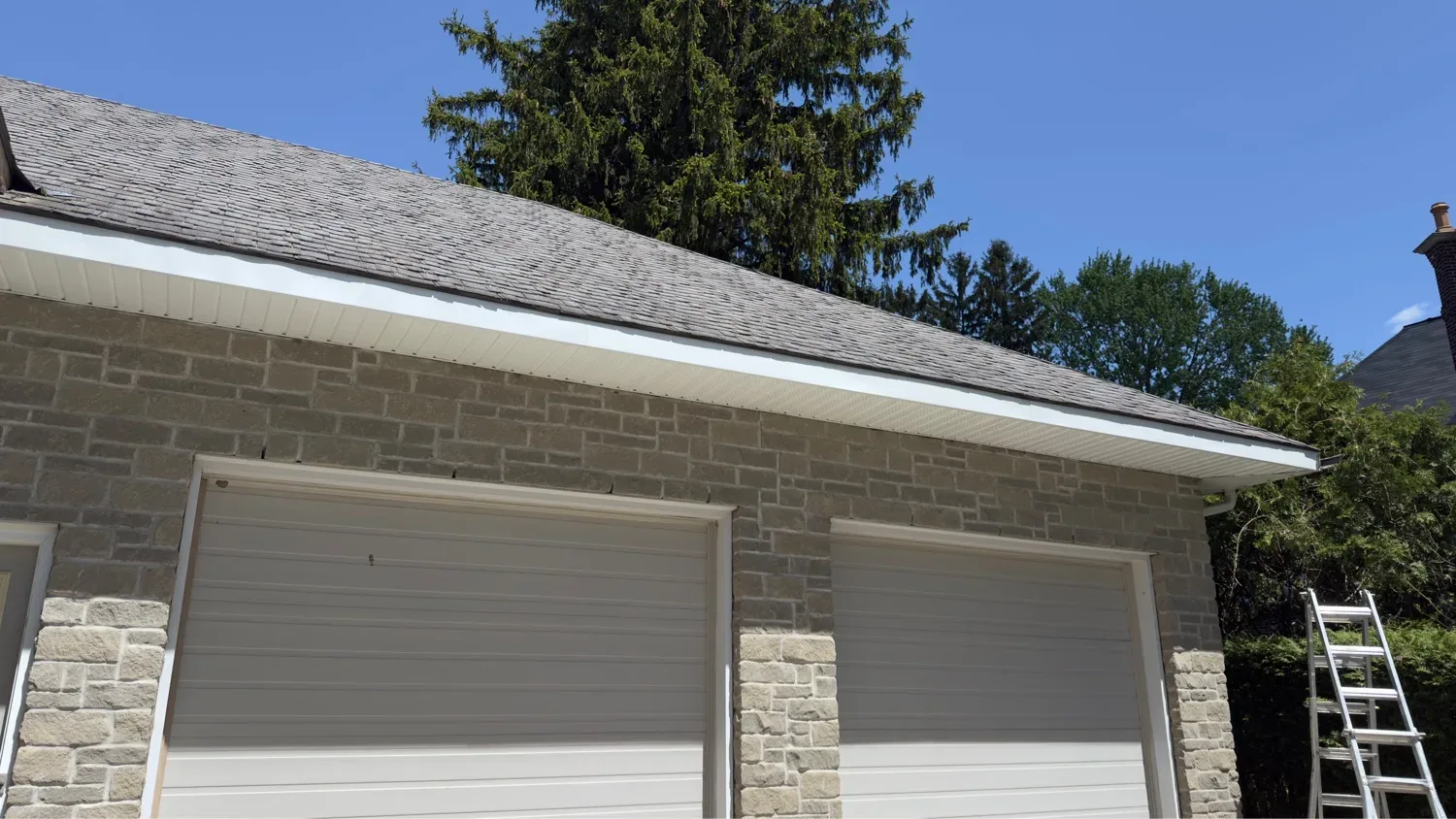
Know what moisture resistance does and does not solve
PVC trim does not decay like wood, which can make it useful at exposed trim locations. That benefit does not keep water out of the wall by itself or protect damaged wood concealed behind it. Fix leaking details and inspect the support before changing materials.
Confirm that the selected profile is intended for the location. Decorative trim is not a substitute for a structural member. Ground clearance, adjoining cladding details and support should follow the product and assembly instructions rather than a general promise that PVC suits every wet area.
Follow the movement and fastening details
PVC expands and contracts with temperature. Joint design, run length, installation conditions and fastening affect how that movement is handled. Some systems glue joints between boards while leaving movement room elsewhere; a blanket instruction to gap every butt joint is not correct for all products.
Use approved fasteners into sound backing and the specified filling or plugging method. Standard woodworking tools may be suitable, but cutting and fastening instructions still matter. Do not assume exposed cut ends need a wood-style primer simply because they have been cut.
Check whether painting is optional or required
Some white PVC trim products can remain unpainted; others are designed to be coated. For example, AZEK distinguishes its Premium Trim from PaintPro, which must be painted. Verify the exact product line before omitting the finish.
Paint and colour restrictions also differ, particularly for dark colours that can increase heat-related movement. Use the permitted coating and colour specification and allow its curing time. Compare installed quotations, finish work and maintenance requirements without assuming a universal two-to-three-times material premium or paint that lasts indefinitely.
Technical references
- AZEK trim and moulding installation guide — Product-specific painting, thermal movement, joint fastening and structural limitations.
- Sherwin-Williams: VinylSafe paint colours — Approved darker-colour technologies exist but require the specified paint/colour combination.

Include a preferred date and time
Discuss your exterior project
Select the exterior work and note the current material and repair or replacement needs.
Prefer to send the details first? Request a quote or call (519) 501-5003.