Know the pieces you are comparing
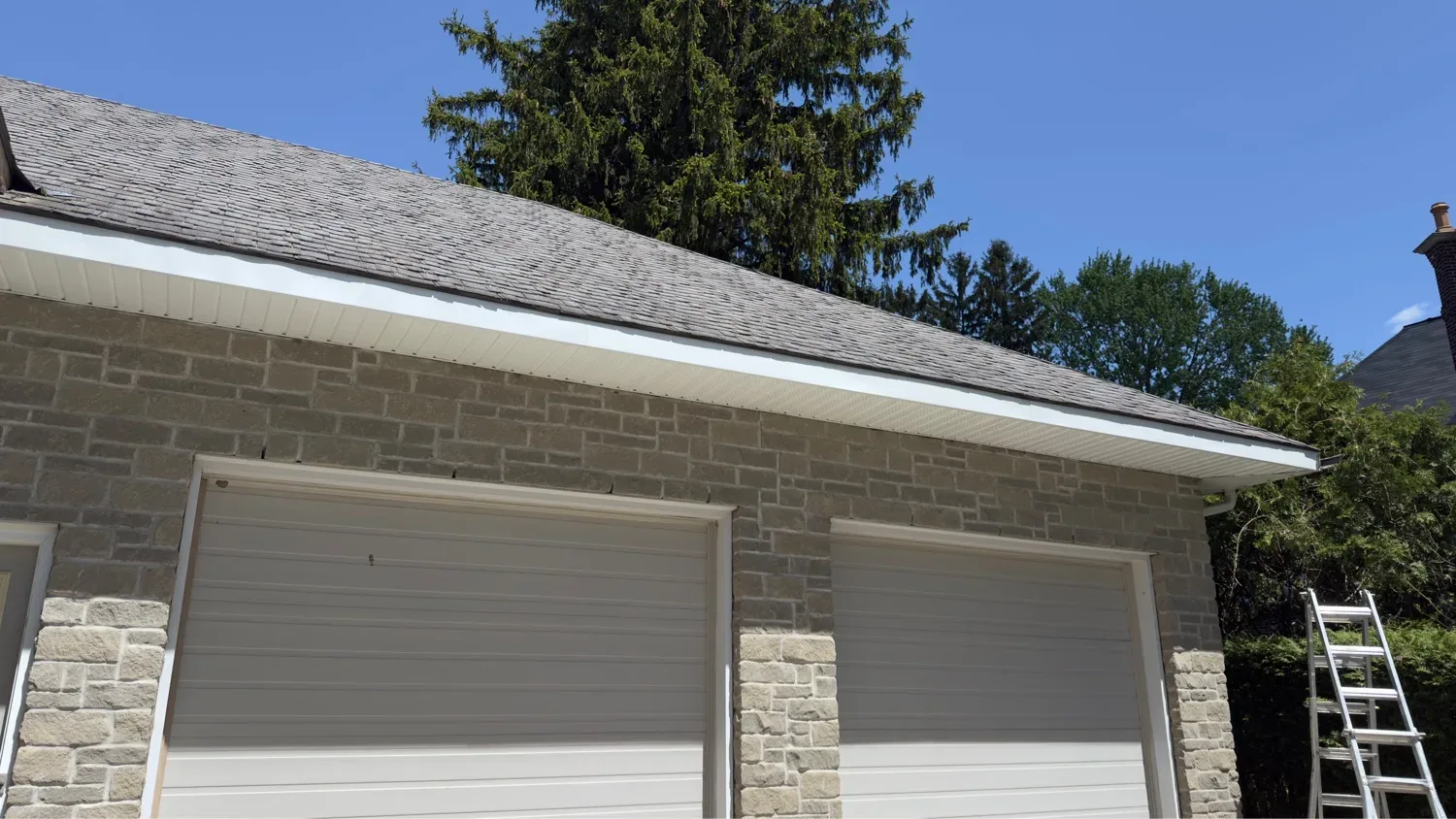
Fascia follows the roof edge. A frieze board runs near the top of the wall beneath the soffit. A cornice is a built-up projecting trim arrangement; crown and smaller mouldings can form parts of it. The profile and shadow line matter as much as the colour.
Identify which features are original and which came from later repairs. If the house has significant historic detail, document its dimensions and shape before proposing a replacement. A readily available modern profile may be a poor visual match even if its width is similar.
Match the amount of detail to the house
A wide, simple frieze can provide a strong horizontal line. Dentils are small repeated blocks that make a cornice more formal; their spacing should be resolved at corners and returns before ordering. Mockups make those awkward end conditions visible.
Corbels and knee-bracket shapes can add depth beneath a porch or gable. Distinguish a decorative piece from an actual support. Do not remove or replace a load-bearing bracket based on its appearance, and do not assume a decorative PVC component can carry that load.
Resolve material, colour and installation
Wood permits detailed shaping but needs a suitable coating and maintenance plan. Exterior PVC and other manufactured profiles have their own fastening, joint and painting requirements. “Maintenance-free” is not a substitute for reading the selected product’s care instructions.
Use contrast deliberately: a contrasting frieze highlights the wall-to-roof transition, while a matching colour makes it quieter. Before approval, check ventilation openings, water shedding at upper edges, corner joints and access for future repair. Preserve significant original profiles where that is part of the project brief.
Technical references for this guide
- AZEK trim and moulding installation guide — Follow material-specific trim instructions and distinguish decorative wraps from structural members.
Sources & References
- Ontario Building Code — Relevant Standards & Guidelines

Include a preferred date and time
Discuss your exterior project
Select the exterior work and note the current material and repair or replacement needs.
Prefer to send the details first? Request a quote or call (519) 501-5003.