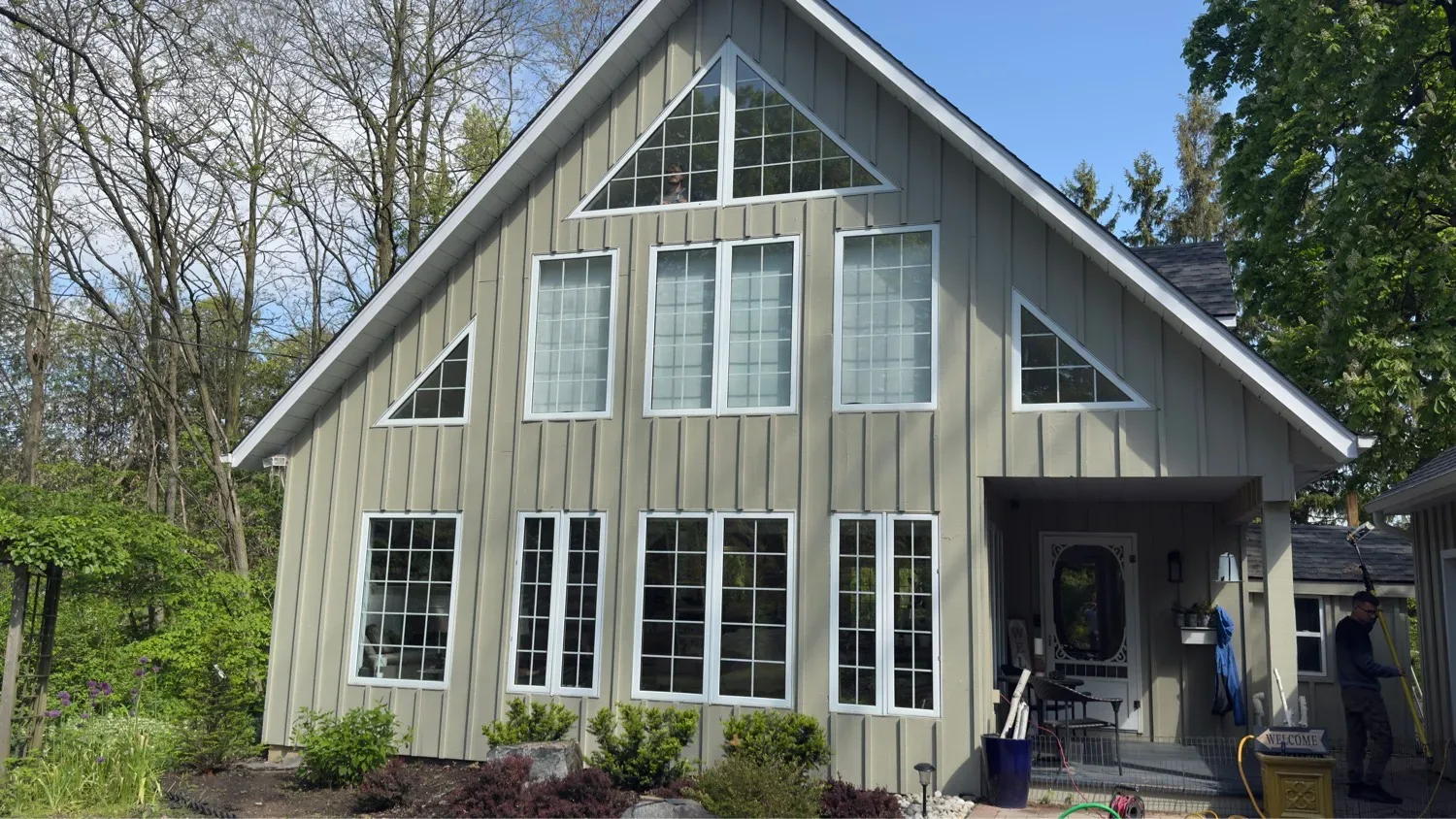
Establish what is wrong with the existing windows
List single glazing, failed glass units, damaged seals, sticking hardware and visible frame deterioration separately. Some openings may benefit from repair or weatherstripping; others may need replacement to address damage or function. A draft is evidence to investigate, not a measurement of the window’s annual energy use.
Review bills alongside changes in weather, energy prices, occupancy and thermostat settings. An increase in the total bill does not isolate a window problem. If energy reduction is the main objective, a home energy assessment can help compare window work with insulation, air sealing and mechanical-system improvements.
Understand what the new product ratings tell you
Whole-window U-factor describes heat transfer under rating conditions. ER also accounts for solar gain and air leakage, while SHGC helps explain admitted solar heat. Match the exact configuration quoted rather than compare a centre-of-glass number with a complete-window result.
Installation also matters: the frame-to-wall connection needs suitable water management and a continuous air seal. Extra panes alone do not guarantee a particular sound reduction or bill saving. If noise is a priority, request relevant sound-performance information for the proposed assembly.
Compare scenarios and benefits honestly
Ask anyone presenting a savings forecast to state the old-window assumptions, window area, orientation, shading, heating system, energy prices and operating conditions. A range with disclosed assumptions is more useful than a fixed payback period attached to every house.
Separate energy savings from benefits such as easier operation, clearer glass and improved comfort near an opening. Those benefits may justify work even when bill savings alone do not. If replacing in phases, prioritize documented condition and coordinate the remaining work so later repairs do not undo new finishes.
Technical references
- NRCan: Window and door ratings and certification — Whole-unit U-factor, ER and solar-gain rating meanings.
- NRCan: Upgrading windows and exterior doors — Repair and replacement options in a whole-home energy context.
- Andersen: Air and vapour control at window installations — Installation air sealing is distinct from product ratings.

Include a preferred date and time
Discuss your exterior project
Select the exterior work and note the current material and repair or replacement needs.
Prefer to send the details first? Request a quote or call (519) 501-5003.