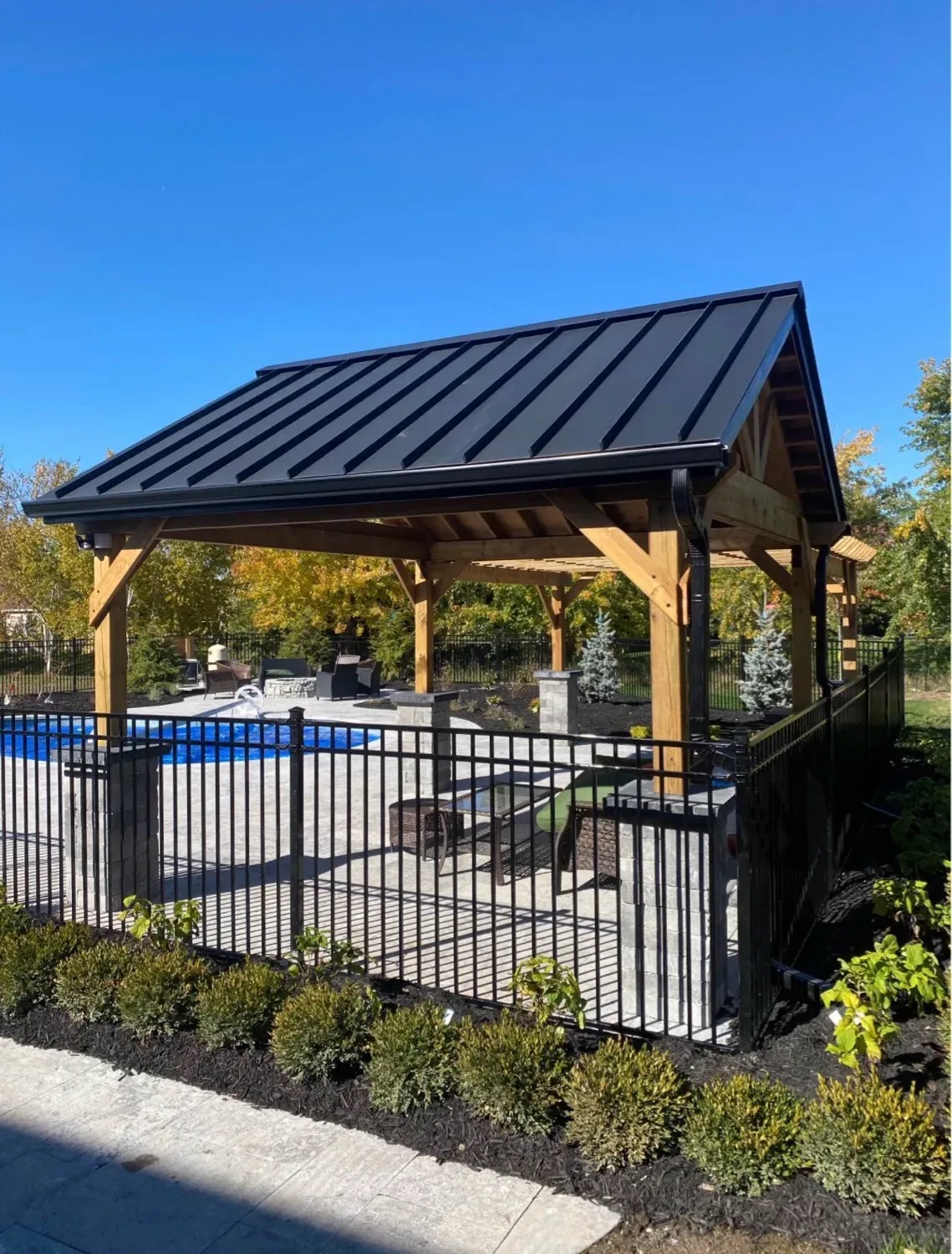





Roofing in Breslau, Ontario
Shingles, underlayment, flashing and roof sheathing are different parts of a roofing assembly. A repair to one area and a full tear-off and replacement need different scopes, including how concealed damage will be handled.
Roofing Installation and Replacement Scope to Discuss
Describe the Roof and the Request
Leaks, missing shingles and general wear need different responses. The roof’s covering, visible condition and details around penetrations help determine whether a repair or replacement assessment is appropriate.
Compare the Proposed Roof Specification
The proposal identifies the covering, underlayment, roof-edge details and ventilation work. Product compatibility and installation instructions matter as much as the visible shingle choice.
Separate Related Repairs
Decking repairs, chimney work, ventilation changes and gutter repairs are not automatically part of replacing shingles. We identify these boundaries so concealed damage can be addressed before it is covered.
Plan Access and the Handoff
Material staging, debris handling and access to the roof affect the work sequence. The handoff should include the agreed cleanup, remaining concerns and the relevant product documents.
Work Items to Specify in the Scope
The agreed covering is removed and the exposed deck inspected. Unsound sections are identified and their replacement scope resolved before the new covering is installed.
The specified underlayment and water-protection components are fitted to the roof details and applicable product requirements, including vulnerable transitions and edges.
Shingles or the agreed covering are installed to the selected system’s layout and fastening requirements. Changes of plane and penetrations need coordinated detailing.
Flashing and ridge details are completed as specified, followed by debris collection and a check of the work area. Related masonry or gutter repairs remain separately defined.
Questions to Resolve Before Agreeing the Work
How long does a roof replacement take?
Roof size, slope, access, weather and deck repairs determine the duration. A straightforward replacement and a roof with multiple layers or concealed damage require different schedules. Timing and temporary weather protection are discussed after the roof is assessed.
What roofing shingles do you use?
The exact shingle manufacturer, model, colour and accessory system should be named in the proposal. Availability, roof configuration, budget and product installation requirements inform the selection. The written specification should identify each proposed product and accessory.
Do I need a permit for a roof replacement in Ontario?
Confirm permit requirements with the local building department for the actual scope. Replacing a roof covering and altering the roof structure are different projects. Structural changes, unusual conditions or other property restrictions may require additional review before work starts.
How do I know if I need a new roof or just a repair?
A localized defect may be repairable if the surrounding covering and deck remain serviceable. Widespread wear, repeated leaks or multiple failing details can make replacement more appropriate. An assessment should explain the defect and the limits of the proposed repair.
What is the warranty on your roofing work?
Product warranties and workmanship terms are separate. The written proposal should identify the applicable documents, coverage, exclusions and claim process for your project. Review the applicable coverage and exclusions before accepting the proposal.
What affects the quote: Roof area and geometry, covering, tear-off layers, access, disposal and decking repairs affect the estimate. Ventilation, flashing and related repairs should be listed so the quoted roof system is clear.